



German dilemma: Temporary exit from the euro and the debt haircut!
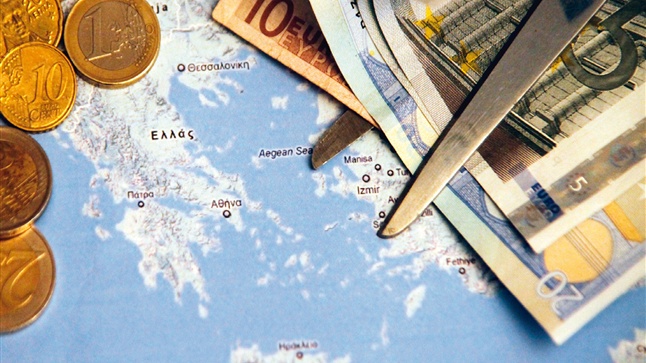
O President of the German Institute IFO, Mr. Hans-Werner Sinn, with recent statements, argues that "Greece needs ... to become competitive again. This will be done with the devaluation of the national currency, which means the temporary removal of the euro .... All this in turn will require the its debt haircut ".
It also notes that the internal devaluation (reduction due wages etc.) through austerity has not lived in Greece. It stresses that the country will never be able to repay its debts, while the cost of Germany such an exit, because the haircut proposed, will reach 76 billion.
Identified the mistakes of that position and what -endeiktika not exantlitika- are the main factors determining the competitive position of an economy:
First. The currency and contempt have only short-term results in regard to improving competitiveness. As for Greece, given its dependence on foreign raw materials and intermediate products, the impact of devaluations / slippages will be very short because of imported inflation. The latter, in turn will impose new devaluations / slippages. This vicious circle the lived intensely in the period 1980-2000. Then, the spectacular 'dive' drachma (1980, $ 1 = 42.6 DR, 2000, $ 1 = 308.9 drachmas), led hardly a doubling of exports (from $ 5 billion to $ 10 billion respectively).
Second. Tsar Dalaras, the Director of the International Institute of Finance (IIF) has estimated that the GREXIT will cost the Eurozone from 300 billion to over 1 trillion euros. This estimate was recorded in a study of the Institute in February 2012.
Accordingly, therefore, given the position of Mr. Shin for the aforementioned loss of only 76 billion suffered by Germany, shows the following: understated by the IFO rather the cost of damage per Member Eurozone Greece's creditors, the When connecting the GREXIT only loans received from this country or from EU support mechanisms, from 2009 onwards.
It also notes that the internal devaluation (reduction due wages etc.) through austerity has not lived in Greece. It stresses that the country will never be able to repay its debts, while the cost of Germany such an exit, because the haircut proposed, will reach 76 billion.
Identified the mistakes of that position and what -endeiktika not exantlitika- are the main factors determining the competitive position of an economy:
First. The currency and contempt have only short-term results in regard to improving competitiveness. As for Greece, given its dependence on foreign raw materials and intermediate products, the impact of devaluations / slippages will be very short because of imported inflation. The latter, in turn will impose new devaluations / slippages. This vicious circle the lived intensely in the period 1980-2000. Then, the spectacular 'dive' drachma (1980, $ 1 = 42.6 DR, 2000, $ 1 = 308.9 drachmas), led hardly a doubling of exports (from $ 5 billion to $ 10 billion respectively).
Second. Tsar Dalaras, the Director of the International Institute of Finance (IIF) has estimated that the GREXIT will cost the Eurozone from 300 billion to over 1 trillion euros. This estimate was recorded in a study of the Institute in February 2012.
Accordingly, therefore, given the position of Mr. Shin for the aforementioned loss of only 76 billion suffered by Germany, shows the following: understated by the IFO rather the cost of damage per Member Eurozone Greece's creditors, the When connecting the GREXIT only loans received from this country or from EU support mechanisms, from 2009 onwards.